Introduction to Kung Pao Noodles
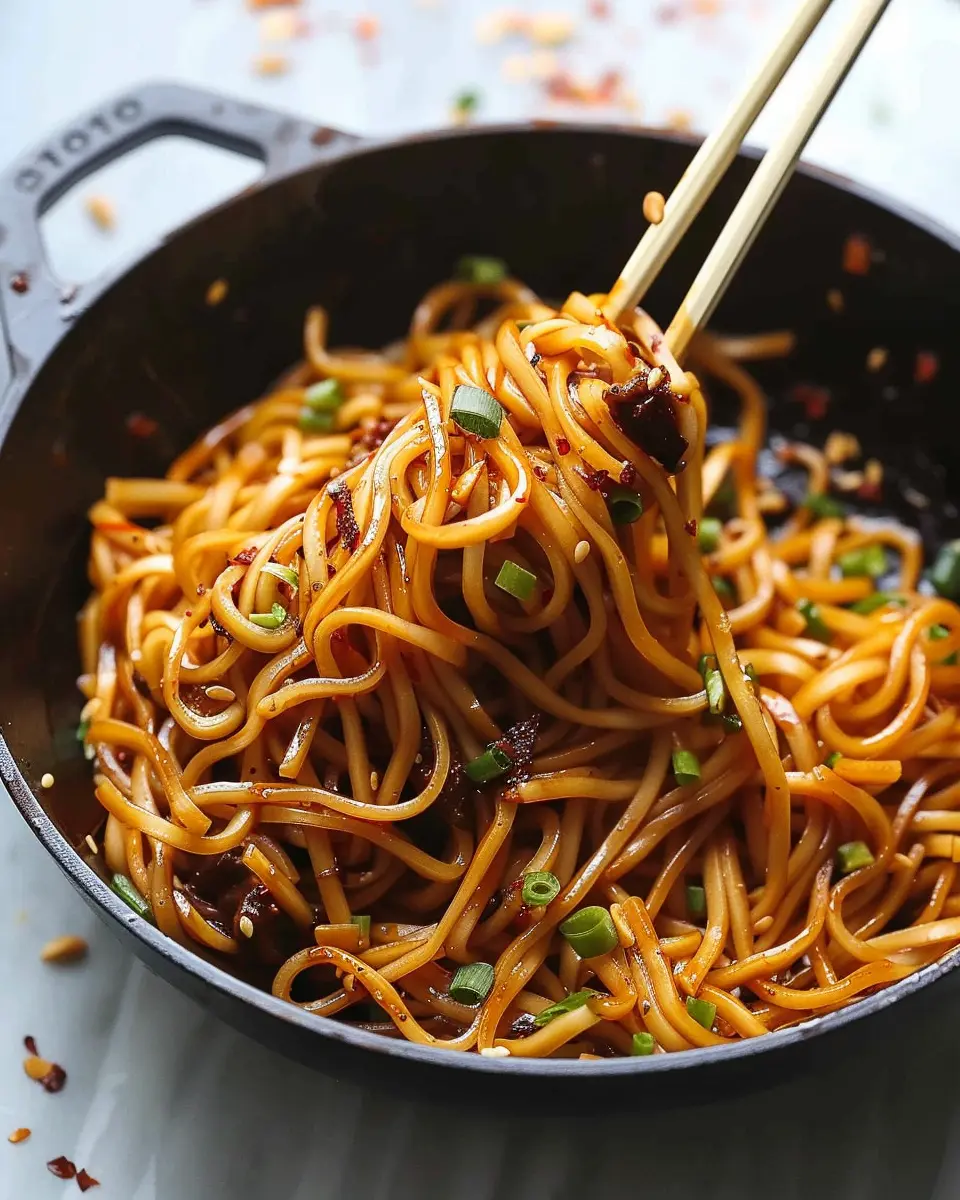
Kung Pao Noodles offer a delightful fusion of flavors wrapped up in a comforting dish that tantalizes your palate while keeping you satisfied. If you’re exploring a quick and nutritious meal, this recipe is your ticket to savory success without spending hours in the kitchen.
Why Kung Pao Noodles are the Perfect Meal for Busy Professionals
For young professionals juggling work, social lives, and personal commitments, finding time to whip up a home-cooked meal can be a challenge. That’s where Kung Pao Noodles come in. Here are a few reasons why they make the perfect go-to dish:
-
Quick Preparation: With an estimated cooking time of just 30 minutes, you’re looking at a meal that fits neatly into your busy schedule. Imagine coming home after a long day and, within half an hour, sitting down to a flavorful plate of noodles instead of resorting to takeout.
-
Nutrient-Dense Ingredients: The beauty of Kung Pao Noodles lies in their flexibility. You can toss in a variety of vegetables like bell peppers and carrots along with chicken ham and turkey bacon for protein. This balance not only fills you up but also keeps you energized throughout the afternoon slump.
-
Customizable Flavors: Want it spicy? Add extra chili paste. Prefer a milder version? Just hold back on the heat. The sauce—a harmonious blend of soy sauce, ginger, and garlic—lends itself beautifully to variations and personal preferences. According to The Spruce Eats, Kung Pao is originally a Sichuan dish that can easily be adapted to suit your taste buds and dietary needs.
-
Meal Prep Friendly: Make a big batch on the weekend, store it in the fridge, and you’ll have delicious lunches ready to rock all week long. Just reheat and savor the goodness!
Why settle for a boring salad or a lackluster sandwich when Kung Pao Noodles can bring both flair and flavor to your table? This dish not only satisfies cravings but also keeps you full and focused for whatever challenges come your way.
As you immerse yourself in this delightful recipe, remember to make it your own. Experiment, taste, and most importantly, enjoy the process!
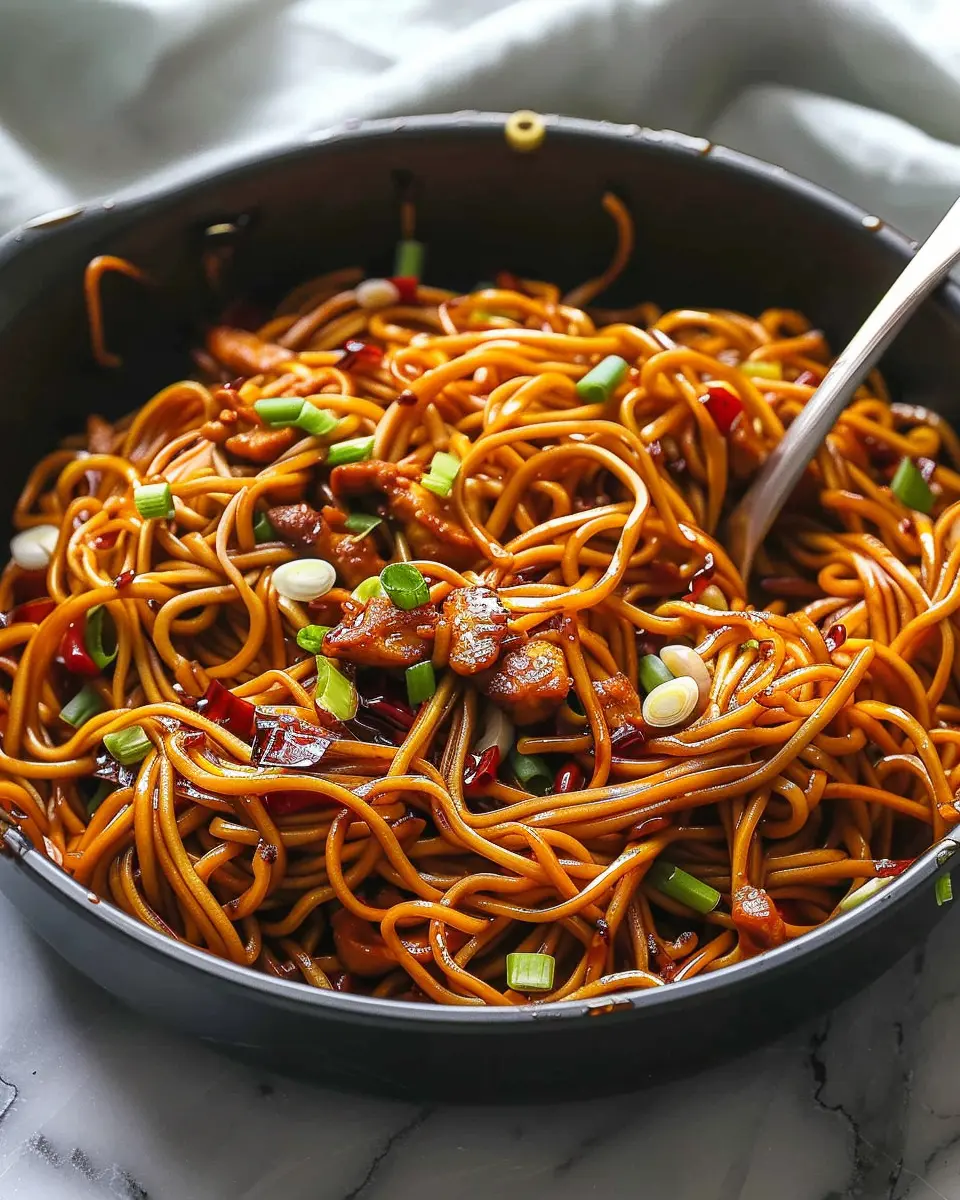
Ingredients for Kung Pao Noodles
When it comes to whipping up a delicious plate of Kung Pao Noodles, having the right ingredients makes all the difference. Here’s what you’ll need:
Essential ingredients you need for a homemade meal
- Noodles: Choose your favorite type, whether it’s egg noodles or rice noodles.
- Protein: Use sliced turkey bacon, chicken ham, or beef for a satisfying meal.
- Vegetables: Fresh bell peppers, zucchini, and green onions add a vibrant crunch.
- Sauce: A blend of soy sauce, hoisin sauce, and sriracha gives that signature Kung Pao kick.
- Crunch: Don’t forget roasted peanuts to add that irresistible texture.
Optional ingredients to customize your dish
Feeling creative? Consider adding:
- Extra Vegetables: Snap peas or carrots can lend extra color and nutrition.
- Spice Levels: Adjust heat with more sriracha or throw in some dried chili peppers.
- Garnishes: A sprinkle of sesame seeds or fresh cilantro can elevate your dish even more.
With a mix of essentials and optional toppings, you can create Kung Pao Noodles that are perfectly tailored to your taste! For more inspiration, check out this guide on Noodle Types to enhance your dish further.
Preparing Kung Pao Noodles
When it comes to quick and flavorful meals, Kung Pao Noodles serve as a tasty gateway to satisfy that Asian food craving. Let’s dive right into how you can prepare this delightful dish at home with ease and flair.
Cook the noodles
Start by boiling a pot of water and tossing in your favorite noodles. Whether you opt for egg noodles, rice noodles, or even whole grain, the key is to follow the cooking instructions on the package for the best results. Typically, you’ll want to cook them until just al dente, so they hold together nicely when you combine them with the sauce.
- Bring water to a rolling boil.
- Add the noodles and cook according to package instructions.
- Once cooked, drain and rinse them under cold water to halt the cooking process and prevent sticking.
Did you know that the type of noodles you use can change the dish entirely? For instance, rice noodles lend a light, chewy texture, while egg noodles offer a more substantial bite. Consider trying different types to find your personal favorite!
Whisk together the sauce
While the noodles are cooking, it’s time to whip up the star of the show—the sauce! This is where you’ll combine bold flavors to create the signature Kung Pao taste.
In a small bowl, whisk together:
- Soy sauce (low-sodium, if preferred)
- A hint of peanut butter for creaminess
- Rice vinegar for some tang
- A dash of sesame oil for richness
- Chili paste or hot sauce, depending on your spice tolerance
- A pinch of sugar to balance the flavors
This combo not only packs a flavor punch but also adds depth to your dish. For a few tips on how to make your sauce even better, consider checking out this guide on sauce-making.
Combine sauce and noodles
Once both the noodles and sauce are ready, it’s time to unite these two components into a harmonious dish. In a large skillet or wok, heat a tablespoon of oil over medium heat. Add cooked noodles and pour the sauce over them. Stir everything together so that every noodle gets a good coating of that fantastic sauce.
- Ensure the noodles are heated through, typically a few minutes of gentle stirring will do the trick.
- If you find the noodles sticking together, don’t hesitate to add a splash of water or broth to loosen them up.
This is the stage where you can really play with your ingredients. Add protein such as chicken ham or turkey bacon, and some crunchy vegetables like bell peppers, carrots, or snap peas to make your Kung Pao Noodles even more nutritious and satisfying.
Add the finishing touches
No dish is complete without the right garnishes! Just before serving, sprinkle some chopped green onions and crushed peanuts over your noodles. This not only enhances the flavor but also adds a nice textural contrast to each bite.
- Feel free to toss in some sesame seeds or additional chili flakes for an extra kick.
- A light drizzle of more sesame oil can elevate the aroma as you serve.
This part of the cooking process can make all the difference in presentation and taste, so don’t skimp on the garnishes!
Serve and enjoy
Finally, transfer your Kung Pao Noodles to serving bowls, and enjoy your homemade masterpiece! You can serve these noodles warm or even at room temperature, making them suitable for meal prep or potlucks.
A great idea? Pair them with a side of steamed vegetables or a light salad to round out your meal. As you savor each bite, take a moment to appreciate the blend of flavors you’ve created, and share your culinary triumph with friends!
So there you have it—making Kung Pao Noodles is not just a recipe; it’s a delightful experience packed with flavor and fun. If you’re looking for more delicious Asian-inspired recipes, check out this collection of quick meals. Happy cooking!
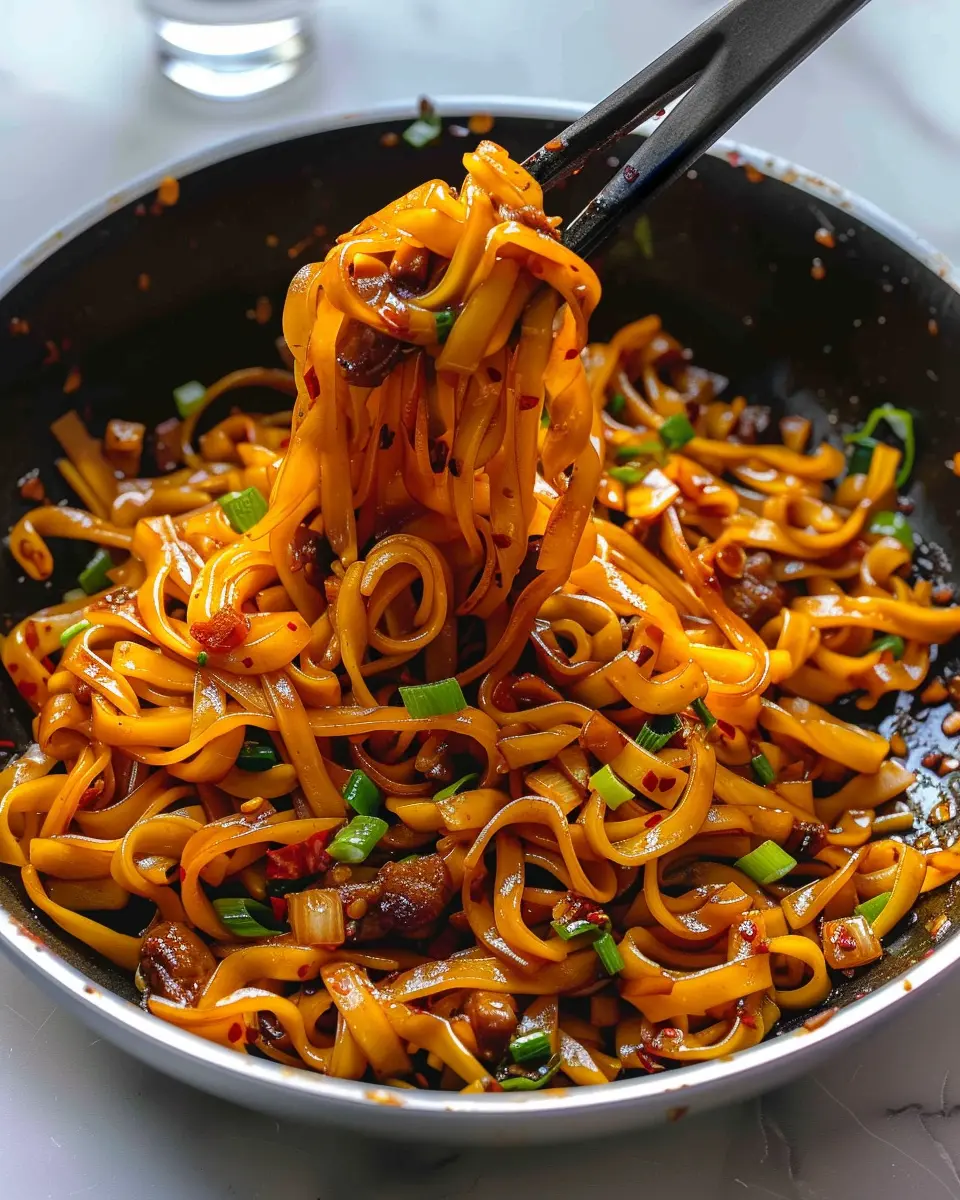
Variations on Kung Pao Noodles
When it comes to Kung Pao Noodles, there’s more than one way to enjoy this flavorful dish. Whether you’re in the mood for classic flavors, seeking a vegetarian twist, or craving a bit of heat, there’s a version for everyone.
Classic Kung Pao Noodles with Chicken
The traditional route never disappoints. Combine tender pieces of chicken with your Kung Pao Noodles, tossing in the characteristic mixture of soy sauce, ginger, and garlic. Stir-fry with crunchy peanuts and fresh vegetables like bell peppers and scallions for that perfect balance of textures. Want a little extra flavor? A splash of chicken broth adds depth and moisture, elevating your dish to new heights. For detailed techniques, check out this guide to stir-frying from Serious Eats.
Vegetarian Kung Pao Noodles
You don’t need to compromise on flavor if you skip the meat! For a satisfying vegetarian version, swap in tofu or tempeh. These protein-packed alternatives absorb the robust flavors wonderfully. You can also add an array of veggies like broccoli or snap peas for that fresh crunch. Not to mention, incorporating cashews instead of peanuts can introduce a delightful twist.
Spicy Kung Pao Noodles with Extra Chili
If you love a good kick, try adding extra chili peppers to your Kung Pao Noodles. Feel free to experiment with different types, such as Szechuan peppercorns or red chili flakes, to find your ideal heat level. The spice not only intensifies the dish but can also boost your metabolism. For those hearty spice lovers, why not challenge yourself by preparing a homemade chili oil? It’s a fun way to customize your meal.
With these variations, your Kung Pao Noodles can be anything but boring. What’s your favorite version?
Cooking Tips and Notes for Kung Pao Noodles
Ingredient substitutions and adjustments
Making Kung Pao Noodles allows for some creativity with ingredients. If turkey bacon isn’t your thing, chicken ham makes a great alternative! Need a vegetarian option? Try marinated tofu or chickpeas for protein, while retaining that satisfying texture. You can also swap out the veggies based on what you have on hand—bell peppers and broccoli work wonderfully.
Tips for perfecting your sauce
The sauce is where the magic happens in Kung Pao Noodles. Start with a base of soy sauce and sweeten it up with a touch of honey or maple syrup. For heat, finely chop some fresh chili peppers or add a splash of chili oil. Balancing the flavors is essential, so taste as you go! For an authentic twist, consider adding Sichuan peppercorns, which gives that signature numb and spicy kick.
By following these tips, you can create a dish that feels both personal and delicious. Happy cooking!
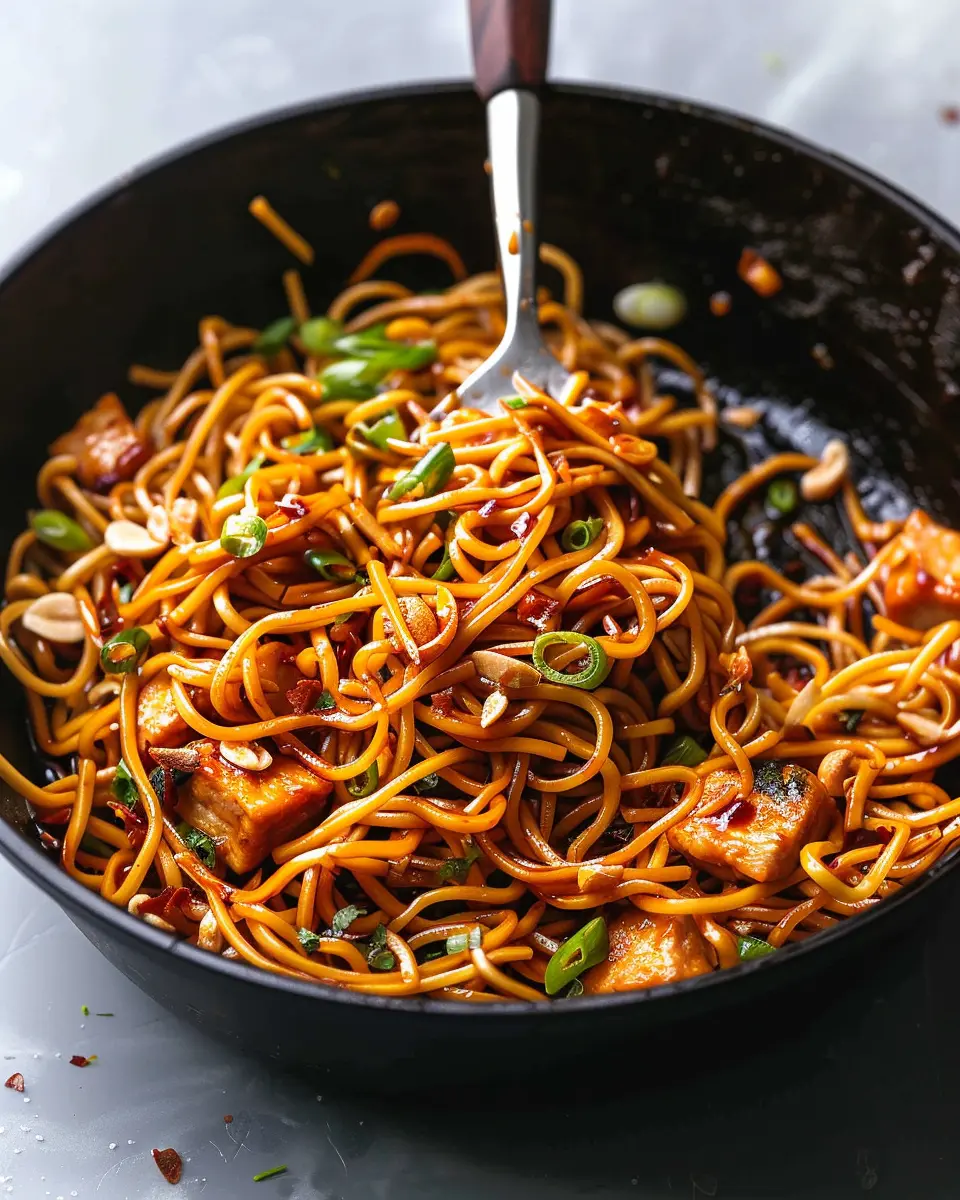
Serving Suggestions for Kung Pao Noodles
Ideal Pairings and Sides
When it comes to complementing your Kung Pao Noodles, think vibrant and wholesome. A refreshing side salad with crunchy vegetables and a tangy vinaigrette makes a fantastic pairing. Alternatively, you can serve them with crispy spring rolls filled with fresh veggies and a hint of spice for an extra crunch.
For those looking to add protein, consider grilled chicken or Turkey Bacon for a modern twist. For a truly indulgent meal, a rich and creamy cucumber salad can help balance the heat of the noodles, creating a well-rounded dining experience.
Creative Serving Ideas
Elevate your Kung Pao Noodles by presenting them in unique ways. Try serving them in a rustic bowl garnished with chopped peanuts and cilantro for that authentic touch. You could even whip out skewers and alternate pieces of chicken and colorful vegetables to create skewers for dipping into a savory sauce.
Feeling adventurous? Showcase them in lettuce wraps for a lighter option that still delivers bold flavors. For more inspiration, check out resources like Serious Eats for creative ideas to jazz up your meal.
Remember, your Kung Pao Noodles can be as classic or as innovative as you want—let your culinary creativity shine!
Time Breakdown for Kung Pao Noodles
When you’re ready to whip up some delicious Kung Pao Noodles, knowing how much time you’ll need can help streamline your cooking process. Here’s a simple breakdown:
Preparation Time
About 15 minutes is all you need to get everything prepped. This includes chopping vegetables, measuring sauces, and slicing your proteins like Turkey Bacon or Chicken Ham.
Cooking Time
Once you’re prepped, cooking will take around 10–15 minutes. It’s all about getting that wonderful stir-fry action going!
Total Time
In total, you’re looking at roughly 30 minutes from start to finish. Perfect for a weeknight dinner!
Want to dive deeper into brainstorming other quick meal ideas? Check out this meal prep guide. Happy cooking!
Nutritional Facts for Kung Pao Noodles
When indulging in a bowl of Kung Pao Noodles, it’s essential to consider the nutritional benefits and how they fit into your lifestyle. Here’s a quick breakdown:
Calories
A typical serving of Kung Pao Noodles contains around 450-500 calories. While this makes for a satisfying meal, it’s important to balance it with your daily caloric needs.
Protein
You can expect about 20-25 grams of protein in your plate. The combination of chicken and vegetables not only adds flavor but also boosts this nutrient, making it a great post-workout meal.
Sodium
However, keep an eye on the sodium content, which can be around 800-1000 mg per serving. To help manage your intake, consider using low-sodium soy sauce or adjusting the amount added.
For a deeper dive into healthy eating habits, check out Nutrition.gov. Balancing delicious meals like Kung Pao Noodles with mindful eating choices can enhance both your dining experience and overall wellness!
FAQs about Kung Pao Noodles
Can I make Kung Pao Noodles gluten-free?
Absolutely! Making Kung Pao Noodles gluten-free is simple. Just substitute traditional soy sauce with tamari, a gluten-free alternative. Additionally, you can switch out regular noodles for rice noodles or gluten-free pasta options. If you’re a fan of adding crispy tofu or chicken ham, ensure those ingredients are also gluten-free. This way, you can savor all the beautiful flavors without any gluten concerns. For more tips, check out this guide on gluten-free cooking at Gluten-Free Living.
What’s the best way to store leftovers?
If you’ve got leftovers from your delicious Kung Pao Noodles, storing them properly will maintain their taste and texture. First, let the noodles cool to room temperature, then transfer them to an airtight container. They can be stored in the fridge for up to 3 days. When you’re ready to dig in again, simply reheat them in a skillet or microwave, adding a splash of water or broth to bring back moisture. Believe me, you’ll love having this quick meal at your fingertips for those busy weeknights!
How can I make Kung Pao Noodles spicier?
If you crave heat, there are plenty of ways to take your Kung Pao Noodles to the next level! Start by adding diced fresh chili peppers to the mix, or for a fiery kick, toss in red pepper flakes. You might also consider drizzling some chili oil on top just before serving. Remember, spice levels can vary significantly based on your palate—so taste as you go to find your perfect balance.
Feeling adventurous? Try experimenting with other spices or sauces, and see how they elevate your dish!
Conclusion on Kung Pao Noodles
Final thoughts on making this delicious dish at home
Making Kung Pao Noodles at home is not just an exciting culinary adventure; it’s a chance to share a flavorful experience with friends and family. This dish combines the right balance of spicy, sweet, and savory, making it a delightful meal anytime.
Don’t hesitate to customize the recipe to fit your preferences—whether you’re using Turkey Bacon or Chicken Ham, the flavors will surprise you! Plus, with simple ingredients and straightforward steps, whipping up a batch is easier than you think.
For those looking for more inspiration or variations, consider checking out this guide on Asian noodle dishes. Enjoy your cooking journey!
PrintKung Pao Noodles: Easy and Flavor-Packed Delight for Home Chefs
Enjoy a delicious and easy recipe for Kung Pao Noodles that packs a punch of flavor and is perfect for home chefs.
- Prep Time: 10 minutes
- Cook Time: 15 minutes
- Total Time: 25 minutes
- Yield: 4 servings
- Category: Main Course
- Method: Stir-frying
- Cuisine: Chinese
- Diet: Gluten-Free
Ingredients
- 8 ounces noodles
- 1 tablespoon vegetable oil
- 2 cloves garlic, minced
- 1 bell pepper, diced
- 1 cup cooked chicken, diced
- 1/4 cup soy sauce
- 2 tablespoons sugar
- 1/4 cup peanuts
Instructions
- Cook the noodles according to package instructions.
- Heat vegetable oil in a pan over medium heat.
- Add garlic and bell pepper, sauté until soft.
- Add cooked chicken and stir-fry for a few minutes.
- In a bowl, mix soy sauce and sugar; pour over the chicken and vegetables.
- Add the cooked noodles and peanuts, stirring well to combine.
- Cook for an additional 2-3 minutes, then serve hot.
Notes
- Adjust the spice level by adding chili sauce if desired.
- Feel free to use tofu instead of chicken for a vegetarian option.
Nutrition
- Serving Size: 1 bowl
- Calories: 450
- Sugar: 6 grams
- Sodium: 800 milligrams
- Fat: 15 grams
- Saturated Fat: 2 grams
- Unsaturated Fat: 10 grams
- Trans Fat: 0 grams
- Carbohydrates: 60 grams
- Fiber: 3 grams
- Protein: 25 grams
- Cholesterol: 70 milligrams